Fear or Phobia: What’s the Difference?
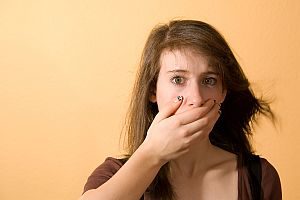
It’s normal to have fears. Fear is a useful emotion that keeps us from doing things that may be harmful or dangerous. Our species continues to exist today because our earlier ancestors had a healthy fear of certain types of predators, environments and situations. In the modern world, many of those primal fears have become much less relevant. Nevertheless, quite a few of us still have a lingering apprehension of spiders, snakes, darkness, heights or other things that we perceive to be dangerous. For most people, this instinctive fear is just quirky or uncomfortable—something we can usually avoid or overcome without too much effort. But what if this apprehension becomes all-encompassing and interferes with daily life? When this happens, you may be dealing with a phobia.
Psychologists define a fear as being “an emotional response to a real or perceived threat,” whereas, according to the Oxford English Dictionary, a phobia is “an extreme or irrational fear of or aversion to something.” Note the words extreme and irrational. A phobia keeps you from living your life as you normally would if the feared situation were not present. For example, you may become nervous or agitated in small or confined spaces and generally avoid taking the elevator. But if that fear is severe enough that it keeps you from taking your dream job because you’d need to use an elevator every day to get to your office, then you likely have a phobia (“claustrophobia”).
Symptoms of a phobia can be both mental and physical. In some cases, just thinking about the thing you fear can bring on the fight-or-flight response. Phobia symptoms often include general anxiety, trembling and feelings of nausea. Your heart may begin pounding and you may start sweating, feeling lightheaded, and breathing so quickly that you begin to hyperventilate. You may also feel an intense need to escape, feel like you are going to die, or fear losing control. Even though you may understand that your phobia is irrational, you still have no ability to stop it.
Not all phobias interfere with the everyday lives of people who have them. A phobia of snakes (called “ophidiophobia”), for example, probably won’t matter much to a city dweller unless he or she visits the reptile house at the zoo. However, a phobia of crowds (“enochlophobia,” “demophobia” or “ochlophobia”) could be a big problem on city streets or in the subway. Other phobias can have a significant impact on anyone who has them. For about 3% of the population, their fear of doctors (“iatrophobia”) is so great that they avoid any form of healthcare whatsoever, including preventive care. Obviously, this can put their health and even their lives at risk.
If a phobia is affecting your day-to-day activities, then it may be time to seek professional help. Therapy for phobias has been shown to be remarkably effective, and you may also be able to use some self-help strategies on your own to combat the problem.
One of the best ways to begin conquering a phobia is to expose yourself to the thing you fear in a gradual, controlled manner. For example, if you have a phobia of spiders (“arachnophobia”), first look at a few pictures of spiders. Then watch a short video featuring spiders. When you are comfortable with that, perhaps visit a zoo and look at them through the glass. Relaxation techniques such as slow, deep breathing and meditation can help when you are confronting your fears. The more frequently you are exposed to the thing you fear without actually being harmed, the more quickly your phobia is likely to disappear. This doesn’t necessarily mean that you are going to become a fan of spiders, but at least you will have conquered the irrational part of your fear that gets in the way of you living your life.

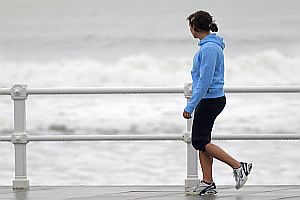 Why “low impact” cardio exercises? Imagine reaching your “golden years” with a buff beach body only to be told that you can’t jog or run anymore because your knee cartilage has been worn thin or you have damaged vertebrae. The last thing you want to do is ruin your body while trying to stay in shape. Here we present some good low impact cardio exercises that can help you maintain a healthy cardiovascular system without causing damage to your musculoskeletal system.
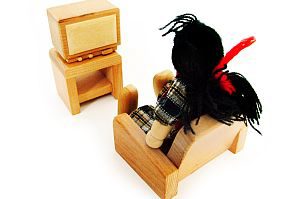 In life, it’s nearly always possible to have too much of a good thing, and moderation is usually the right common-sense prescription (no matter what the advertisers say). Screen time is no exception. But how much is too much? That’s the question many parents are asking…
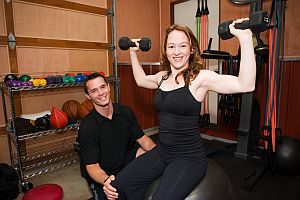 Forming new habits can be just as difficult as breaking old ones. But when you stop to think about it for a moment, it is clear that all of our habits, both positive and negative, had a beginning—a time BEFORE the behavior became a clear, recognizable pattern. In other words, there was a time when your current habits weren’t yet habits at all!
 Manual therapies have been used to treat musculoskeletal disorders for thousands of years. Practitioners around the world—in countries with many different cultural influences and diverse medical traditions—have used their hands to manipulate various parts of the body to stimulate healing. “Manual” literally means “by hand.” Thus, manual therapies consist of healing techniques that use the hands. There are more than two dozen techniques used worldwide. Among the most commonly known are acupressure, chiropractic, massage therapy, physiotherapy, reflexology, Rolfing and shiatsu.